Affordable Area Rugs: Beginner Checklist
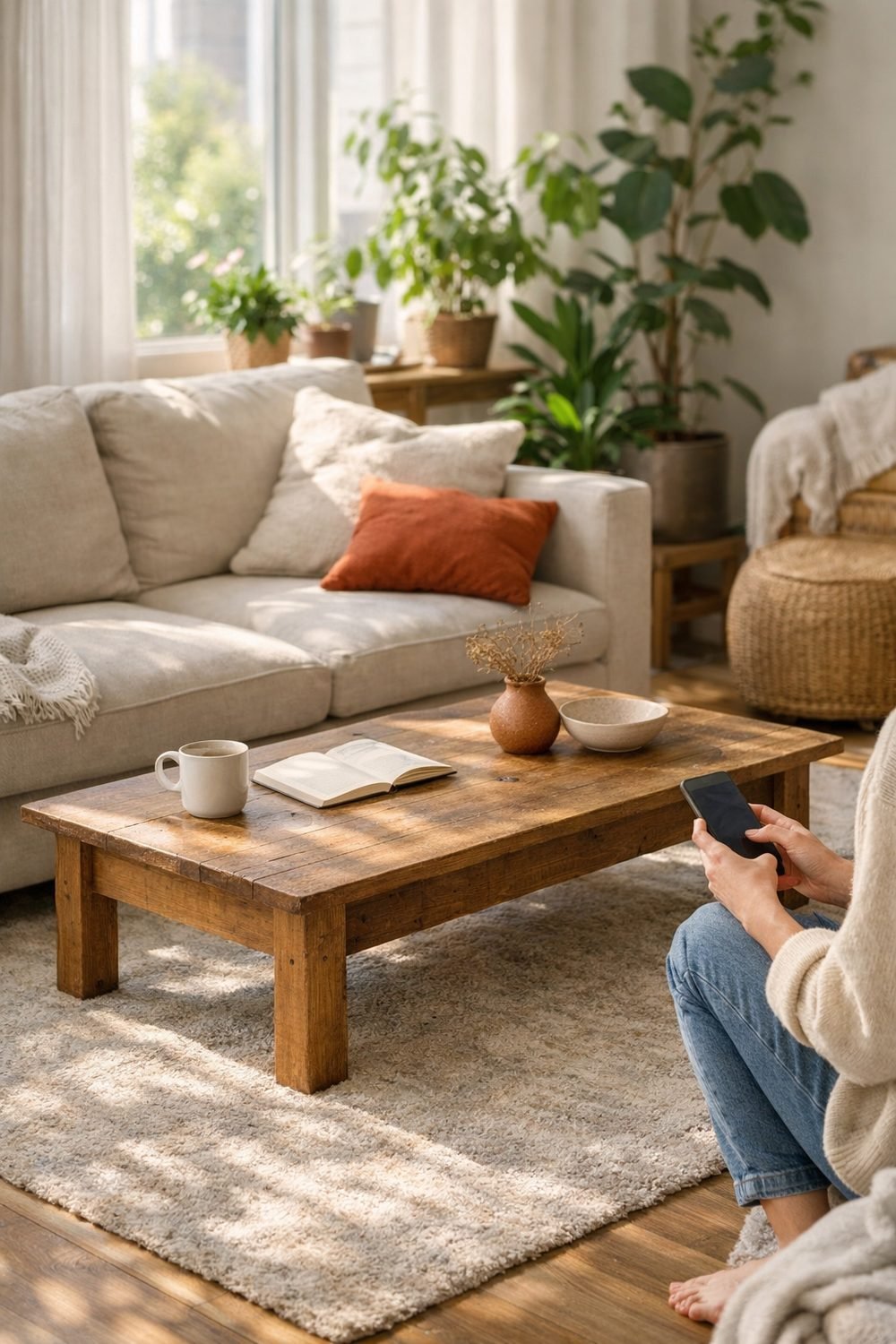
Affordable area rugs can be hit or miss, and some disappoint within a week. The difference usually came down to checks I skipped because I was excited about a pattern. A rug can pull a whole room together, and a little planning keeps the price sensible and the rug on your floor instead of rolled up in the hallway waiting to go back.
Here's the checklist I wish I'd had the first time. It's simple, and you can run through it on your phone while you shop.
Short on time? Our top picks: IKEA, Rugs USA, Target and Wayfair. See all picks
1. Measure the Floor Before You Fall for a Pattern or Shape
This is the mistake I see most, and I've made it myself. A rug looks huge in a photo, then arrives and floats in the middle of the room like a bath mat, and this happens a lot with large area rugs cheap online. Grab a tape measure and check the space first, not after.
In a living room, a common approach is to have at least the front legs of the sofa and chairs sitting on the rug. Under a dining table, you want enough room that chairs stay on the rug when someone pulls one out. In a bedroom, many people like the rug to stick out on both sides of the bed so your feet land somewhere soft in the morning.
Practical tip: Use painter's tape to mark the rug's outline on the floor. Leave it there for a day. You'll know quickly if it feels too small, and it costs you nothing.
2. Think Hard About Pile Height
Pile is how tall the fibers are. Low pile sits flat and short. High pile, like a shag, is fluffy and deep. Shag area rugs look cozy in photos, but I'll be honest: I think they're overrated for most busy rooms.
Low pile is easier to vacuum, and chairs slide over it without catching. It also works better under doors that don't have much clearance. Higher pile feels lovely underfoot, so it can make sense in a bedroom where nobody's dragging furniture around.
Practical tip: Check that your front door or closet door will clear the rug. A rug that is too thick can make a door catch on it every time, which may mean a return.
3. Read the Material as the Seller Lists It
Don't guess the fiber from the photo. A rug that looks like wool might be polyester, and that's fine, as long as you know what you're getting. Look for the material in the product details, not just the title.
Synthetic fibers like polypropylene or polyester are common in affordable rugs. Natural fibers like jute, cotton, or wool show up too, each with their own feel. Jute has a nice texture but can feel a bit scratchy on bare feet, which surprised me the first time.
If anyone in your home has allergies or sensitive skin, check the seller's page for details on the materials and any treatments, or ask them directly. It's best not to assume anything from a listing photo.
Practical tip: Search the reviews for the word "smell" or "shedding." People tend to mention these things honestly, and it tells you more than the description often does.
4. Check the Backing and Whether You Need a Pad
Flip the rug over in your head. What's on the back matters. Some rugs have a rubbery non-slip backing already. Others are smooth and will slide around on hardwood or tile like a sled.
A non-slip pad, such as one from Gorilla Grip, is often sold separately, so factor it into your budget. It can also add a little cushion. If the listing doesn't say, assume you'll need one and treat it as a nice surprise if you don't.
One more thing: some backings aren't meant for certain floor finishes. If you have floors you really care about, look at what the seller says about floor types before you buy.
Practical tip: Measure the pad slightly smaller than the rug so the edges don't peek out.
By the way, if you like little organizing wins around the house, you can grab my Free Set of 12 Pantry Labels by joining the email list.
5. Read the Cleaning Notes Before You Buy
A rug you love may turn out to be "spot clean only," which is a problem if you have a dog. Now I read the care label before anything else.
Some smaller rugs are washable, like those from Ruggable, which is handy for kitchens, entryways, and homes with kids or pets. Larger rugs usually need vacuuming and spot cleaning. Look for the care instructions on the product page and be realistic about how you live.
Practical tip: If your home gets messy, consider a medium-toned or patterned rug, and colorful area rugs can be great at hiding mess. It hides everyday crumbs and paw prints far better than plain cream ever will.
6. Look Closely at Return Terms
Big rugs are bulky. Sending one back can be a hassle, and with cheap area rugs you sometimes pay for return shipping. That can eat up whatever you saved by buying the cheaper option.
Before you check out, read the return policy. Look for how many days you have, whether the rug must be unused, and who pays to ship it back. Some sellers handle returns differently for area rugs on sale, so check that too.
Practical tip: Keep the packaging until you're sure. Rolling a rug back up tightly without the original wrap is harder than it sounds.
7. Give Colors a Reality Check, Especially Blue or Neutral Ones
Screen colors lie a little. A "sage" rug can show up looking gray, and neutral area rugs in warm beige might lean pink in your light. It's nobody's fault, but it's frustrating.
Look at customer photos if the listing has them, on sites like Wayfair or Amazon, since those are taken in normal homes and normal lighting. Compare the rug to something you already own, like your sofa or curtains, rather than picturing a blank room, whether you're eyeing modern area rugs or something more classic.
Practical tip: I keep a running list of my room's main colors so I'm not guessing in the store. The Farmhouse Decor Planner & Shopping List below this post has space for exactly this kind of note, if you like having it all in one place.
8. Set Your Budget Including the Extras
The rug price is only part of it. Add the pad, any shipping, and maybe a second small rug if you're doing a hallway too. Seeing the full number keeps you from feeling stretched later.
It helps to decide your top number before you start browsing. Otherwise a slightly nicer rug always seems "only a bit more," and that adds up fast.
Practical tip: If you're planning several rooms, track sizes and costs in one spot. The Cozy Room Calculator and Tracker Spreadsheet below this post is handy for that, but a simple notebook works fine too.
Where to Look for Affordable Rugs
These are well-known places and products that cover the checklist above, from the rug itself to the pad underneath. Use them as starting points and run each one through the same checks.
IKEA
A good fit if you like seeing options in simple, modern styles and want to compare sizes in one place. Check the pile height and care notes on each rug page, since they vary a lot from one to the next.
Rugs USA
Suits shoppers who want a wide choice of sizes, colors, and styles online. Read the return terms carefully before ordering a large rug, as bulky items can be a hassle to send back.
Target
Handy if you want to browse rugs alongside other room basics and read customer reviews. Look at the material listed in the product details rather than relying on the photo.
Wayfair
Works well if you want to filter by size, color, and material across many sellers. Since different sellers have different policies, check who handles the return and who pays for shipping.
Ruggable
Worth a look if you have pets or kids and want a rug that can be washed. Check how the cover and pad system works and whether the size you need is offered before you commit.
Amazon
Useful for comparing many rugs and rug pads at once, plus customer photos in real homes. Check the seller's page for the material and floor-type notes, and search reviews for shedding or smell.
Gorilla Grip
A familiar name for non-slip rug pads, which suits anyone with hardwood or tile floors. Check that the pad is made for your floor type and trim it a little smaller than the rug.
Check current plans and prices on each brand's own site before you buy.
FAQ
What size rug should a beginner start with?
There's no single right size, because it depends on your room and furniture. Measure your space, then tape out the shape on the floor to see how it feels. When in doubt, many people find slightly bigger looks better than too small.
Do cheap rugs shed?
Some do, especially at first, and it varies by material and how the rug is made. Reading reviews is the easiest way to get a sense of it. Regular vacuuming usually helps over time.
Is a rug pad really necessary?
On smooth floors, a pad can help keep the rug from sliding. If your rug already has a non-slip backing, you might not need one. Check the seller's notes about your floor type before deciding.
Can I put an affordable rug in a high-traffic area?
Yes, many people do. A low pile, patterned rug that's easy to clean tends to cope better in hallways and entryways. Just read the care instructions so you know what upkeep to expect.
If this checklist helped, start by joining the email list for the Free Set of 12 Pantry Labels. Then take a look at the planner and spreadsheet below this post if you'd like an easier way to keep your measurements, colors, and budget in one place before you shop.
Printables and tools that can help
Farmhouse Decor Planner & Shopping List
Plan a farmhouse-style home room by room with a style guide and a shopping...
See detailsCozy Room Calculator and Tracker Spreadsheet
A spreadsheet with a summary page and a calculator sheet to track decor and organizing spending. Works in...
See details