Best Fake Plants: A Plain-English Guide

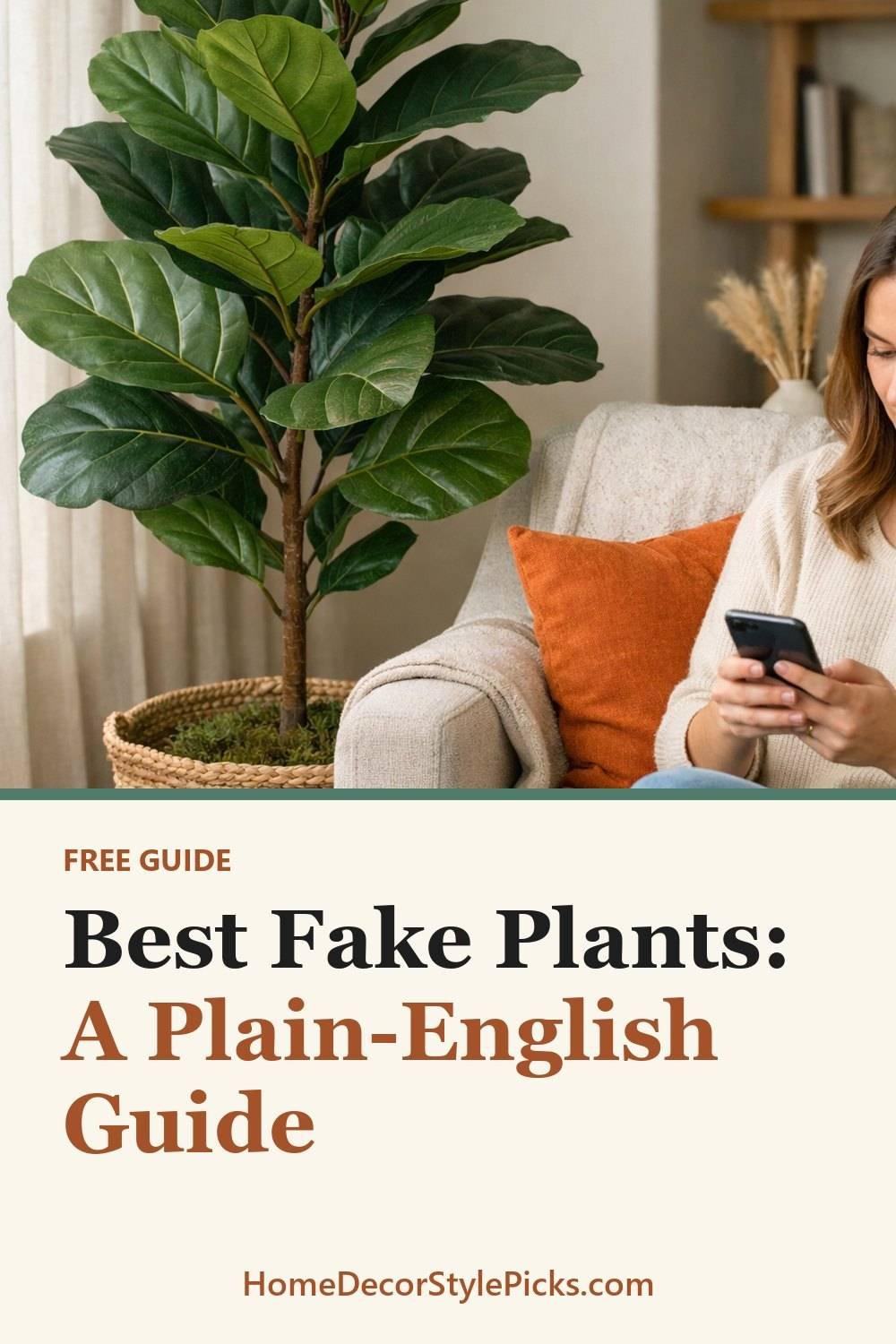
Many people assume even the best fake plants look a little sad. Real fiddle leaf figs are known for dropping leaves one by one, no matter what you do. Faux greenery can brighten a shelf without any watering, and honestly, a good one fools most guests until they reach out to touch it.
The trick is picking the right one. A cheap, shiny plant can make a room look worse than an empty corner, and cheap fake plants don't have to look that way. A well-chosen one just quietly looks nice for years. This guide walks through what I check before I buy, what I've learned the hard way, and where I think people waste money.
Short on time? Our top picks: West Elm, IKEA, Pottery Barn and Crate & Barrel. See all picks
Quick summary
- Look at close-up photos and buyer pictures, not just the main product shot.
- Measure your space first and compare it to the stated height, including the pot.
- Check whether a pot is included, and what kind.
- Bendable wired stems are much easier to shape into something natural.
- Plan for dust. A quick wipe every few weeks keeps it looking fresh.
- Keep pieces out of strong, direct sun if you can, since some fade.
- Pick plant types that already look a bit stiff in real life. They fake better.
How to Judge Realistic Fake Plants Before You Buy
This is the big one. Most fake plants look fine from across a room in a staged photo. The question is how they look from three feet away, on your shelf, under your lights.
Zoom in on the photos
Compare close-up photos whenever a seller offers them. Look at the leaf edges first. Real leaves have small differences in color, a little vein texture, and edges that aren't perfectly smooth. Fake leaves that are one flat shade of green, with a plastic shine, give themselves away fast.
If the listing only has one glossy image, I get suspicious. Not always fairly, but usually.
Read buyer photos, not just buyer stars
Star ratings tell you if people were happy. Customer photos tell you what actually showed up. Scroll past the five-star "love it!" reviews and look for pictures taken in normal homes, with normal lighting. That's the version you'll be living with.
Watch for the seam
Many faux leaves are made by pressing two layers together. On cheaper ones, you can see a clear line around the edge or a lumpy spot where the leaf meets the stem. Sometimes buyer photos catch this. If several people mention it, believe them.
Picking Large Fake Plants for Your Space
A "large" faux olive tree can show up only about the height of a kitchen chair. Check before you buy. It's easy to skip the listed measurements.
Measure first, then shop
Match the stated height to your space before you fall in love with anything. Grab a tape measure and check:
- The height of the spot, including any shelf above it
- The width, so leaves don't brush a wall or doorway
- How close it'll be to where people walk or sit
A little painter's tape on the wall at the plant's full height helps a lot. You'll see right away if it's going to feel too big or too timid.
Does the height include the pot?
Sellers aren't always clear about this. Some list the plant alone, some list plant plus pot. If it's not stated, check the description closely or look at the questions section. A few inches matters on a bookshelf.
Floor plants vs. tabletop plants
Here's a rough comparison of how I think about it:
- Tall fake plants fill empty corners and make a ceiling feel higher. They're also where cheap quality shows the most, since there's more of them to look at.
- Medium plants work on a console table, a dresser, or beside a chair. Very forgiving.
- Small pieces like little succulents or trailing pothos fit shelves, bathrooms, and desks. Good place to start if you're unsure.
If you're new to faux plants, I'd start small. It's a cheap way to learn what looks real to your eye.
Pot or No Pot: Check What's Included
This catches people all the time. Some plants come in a nice ceramic pot. Some come in a plain black plastic pot meant to be hidden. Some come with nothing but a foam base, or just bare stems.
The plastic nursery pot
A lot of faux plants arrive in a thin plastic pot that looks like what a garden center would use. That's fine if you plan to drop it inside a basket or a prettier planter. It's not fine if you expected something ready to display. Check what is included before you order.
Weight matters more than you'd think
Fake plants are light. Tall ones can tip over if a pot is shallow or bare plastic. If you've got pets or kids running around, I'd look for a weighted base, or plan to add some weight yourself. You can tuck a few small rocks into the bottom of a basket, which helps.
Hiding the base
The foam or plastic at the top of the pot can look fake even when the leaves look great. A handful of decorative moss, small pebbles, or bark covers it nicely, and a craft store like Michaels is an easy place to find them. This small step makes a bigger difference than most people expect.
Why Bendable Stems Are Worth It
Real plants don't grow in perfect, evenly spaced lines. They lean toward the light. Leaves twist. Some stems droop more than others.
Bendable stems are easier to style because you can copy that natural messiness. Most faux plants arrive squished flat from shipping, so you'll need to shape them anyway. With wired stems, you can fan out the leaves, tilt a few toward the window, and let one or two hang lower. With stiff molded plastic, you're stuck with whatever shape it came in.
How I fluff a new plant
- Take it out of the box and let it sit for a bit. Some leaves relax on their own.
- Start at the bottom and work upward, spreading stems outward.
- Bend leaf tips slightly so they don't all point the same way.
- Step back across the room. Look for gaps or too-even spots.
- Adjust, then leave it alone for a day and look again.
That last step sounds silly, but fresh eyes catch things. You will likely want to move a couple of stems the next morning.
Fake Plants That Look Real (and Ones That Don't)
Some plants are just easier to fake. Fake plants with thick, waxy, or structured leaves usually look better than ones with soft, delicate leaves.
Usually convincing
- Snake plants: stiff upright leaves, already look a bit sculptural
- Succulents and cacti: thick, matte, and simple in shape
- Olive trees: small leaves hide flaws well
- Eucalyptus stems: great in a vase, very forgiving
- Rubber plants: glossy in real life, so a little shine looks right
Trickier to get right
Ferns can look great or terrible, with not much in between. Their leaves are so fine that cheap versions go flat and papery. Same with delicate flowers like orchids, where the petals are hard to copy. This doesn't mean you should skip them. It means looking extra closely at the photos.
Honestly, I think faux monstera is a bit overrated. It's everywhere, and a lot of versions have that too-perfect cutout pattern that screams fake. A good one exists, but you'll need to hunt.
Dust: The Chore Nobody Mentions
Fake plants don't need water. They do collect dust, and dusty leaves are the fastest way to make even a nice plant look cheap.
A simple cleaning routine
Plan a quick wipe every few weeks. Here's what works for me:
- A soft dry cloth or a microfiber duster for regular touch-ups
- A cool hair dryer setting to blow dust off tiny leaves
- For a deeper clean, a slightly damp cloth on sturdy leaves
Some people rinse plants in the shower. Check the seller's care notes first, since not every material handles water well, and glued parts can loosen.
Placement helps
Plants near a kitchen stove or an air vent get grimy faster. If you can, keep them a little away from cooking areas. A plant beside the stove will need cleaning more often than one in the bedroom, which can be a pain.
Quick side note: if you like keeping things tidy around the house, I've got a free set of 12 pantry labels for anyone who joins the email list.
Sun Fading and Where to Put Them
Strong sun can fade some pieces. This is especially true for a trailing plant in a south-facing window. After a while, the side facing the glass turned a dull, bluish green while the back stayed bright. It looked like two different plants.
Fake outdoor plants vs. indoor labels
Some faux plants are sold as UV-resistant or made for outdoor use. If that matters to you, read the listing carefully. Not every plant claims this, and I'd only trust what the seller actually says on their product page.
Easy fixes
If you love a sunny spot, you can rotate the plant now and then so it fades more evenly. Sheer curtains also soften the light. Or just put your faux greenery in the darker corners where real plants struggle anyway. That's kind of their whole point.
Fake Plants Decor: Styling So They Feel Lived-In
A single plant alone on a big table can look a bit stiff. Grouping helps.
Mix heights and textures
Try one taller plant with one or two smaller ones nearby. Pair a spiky snake plant with something soft and trailing. Different leaf shapes side by side look more like a real collection someone built over time.
Mix real and fake house plants
This is my favorite trick. Put a real, easy plant (like a pothos) next to your faux ones. The real one makes the others more believable. Just don't forget which one needs water. It's an easy mistake to make.
Planning a whole room
If you're redoing a space, it helps to sketch out where greenery goes before buying. The Farmhouse Decor Planner & Shopping List below this post has room to jot down measurements and spots, which saves you from buying a tree that doesn't fit.
Common Mistakes
Most of these mistakes are common and easy to make. Learn from my returns.
- Buying from one photo. One staged image tells you very little.
- Skipping the tape measure. "Large" means different things to different sellers.
- Leaving it flat out of the box. Unfluffed plants look fake every time.
- Ignoring the visible foam base. Cover it with moss or pebbles.
- Too many in one room. A few good plants beat a crowd of okay ones.
- Forgetting dust. Gray leaves ruin the effect.
- Putting delicate pieces in full sun. Fading sneaks up on you.
- Chasing the cheapest option for a big floor plant. Large plants show flaws most, so this is where I'd spend a bit more if your budget allows.
If you're watching for sales, the Cozy Room Deals Feed Starter Kit below this post is one way to keep track of decor deals in one place instead of checking a dozen sites.
Where to look for faux plants
These are well-known retailers and brands that sell artificial greenery. Browse a few before you commit, and use the checks above on any listing.
West Elm
Suits anyone who wants a more styled, designer look and is happy to pay for it. Check whether the listing includes the pot and how the height is measured.
IKEA
A handy option for simple plants in basic pots, good for people just starting out. Check whether a plant is labeled for indoor use only before you place it near a window or on a balcony.
Pottery Barn
Good for those who want larger, fuller pieces for a living room or entry. Read the care notes and the stated dimensions closely before ordering.
Crate & Barrel
Suits shoppers who want faux stems and small plants that pair with a neutral, clean style. Look at how each piece is potted and whether a vase or planter is sold separately.
Afloral
A specialist in artificial flowers and greenery, handy for stems, eucalyptus and vase fillers. Check the product description for any outdoor or UV claims instead of assuming them.
Amazon
Useful for the huge range and plenty of customer photos to study. Quality varies a lot between sellers, so lean on buyer pictures and read the questions section.
Michaels
Suits crafty people who like to pick up stems, moss and pebbles in the same trip. Check the stems up close in person, since the range can vary by store.
Check current plans and prices on each brand's own site.
FAQ
Do fake plants look cheap?
Some do, especially ones with flat color and a plastic shine. A well-made plant, shaped by hand and kept dust-free, can look very natural. Close-up photos and buyer pictures are the best way to tell before you buy.
How often should I clean faux plants?
Give yours a quick dusting every few weeks, and more often near the kitchen. A soft cloth or a cool hair dryer works for most. Check the seller's care notes before using water.
Can I use fake plants for outside?
Only if the seller says they're made for outdoor use. Indoor pieces may fade or break down faster in sun and rain. When in doubt, ask the seller directly.
Are fake plants safe around pets?
They can't make pets sick the way some real plants can, but small parts or loose leaves could still be chewed or swallowed. Tall plants can also tip over. If you're worried, check with your vet and choose sturdy, weighted pieces.
Your Next Step
Start with one small plant in a spot where real ones always gave up on you. Shape it, cover the base, and see how you like it before buying more. If you'd like a little something for your home in the meantime, grab the free set of 12 pantry labels by joining the email list. Then take a look at the Farmhouse Decor Planner & Shopping List and the Cozy Room Deals Feed Starter Kit below this post if they sound useful for your next room project.
Printables and tools that can help
Farmhouse Decor Planner & Shopping List
Plan a farmhouse-style home room by room with a style guide and a shopping...
See detailsCozy Room Deals Feed Starter Kit
Printable cards and a checklist of small decluttering tasks for ten-minute...
See details