Best Floor Lamps: Features Compared Side by Side
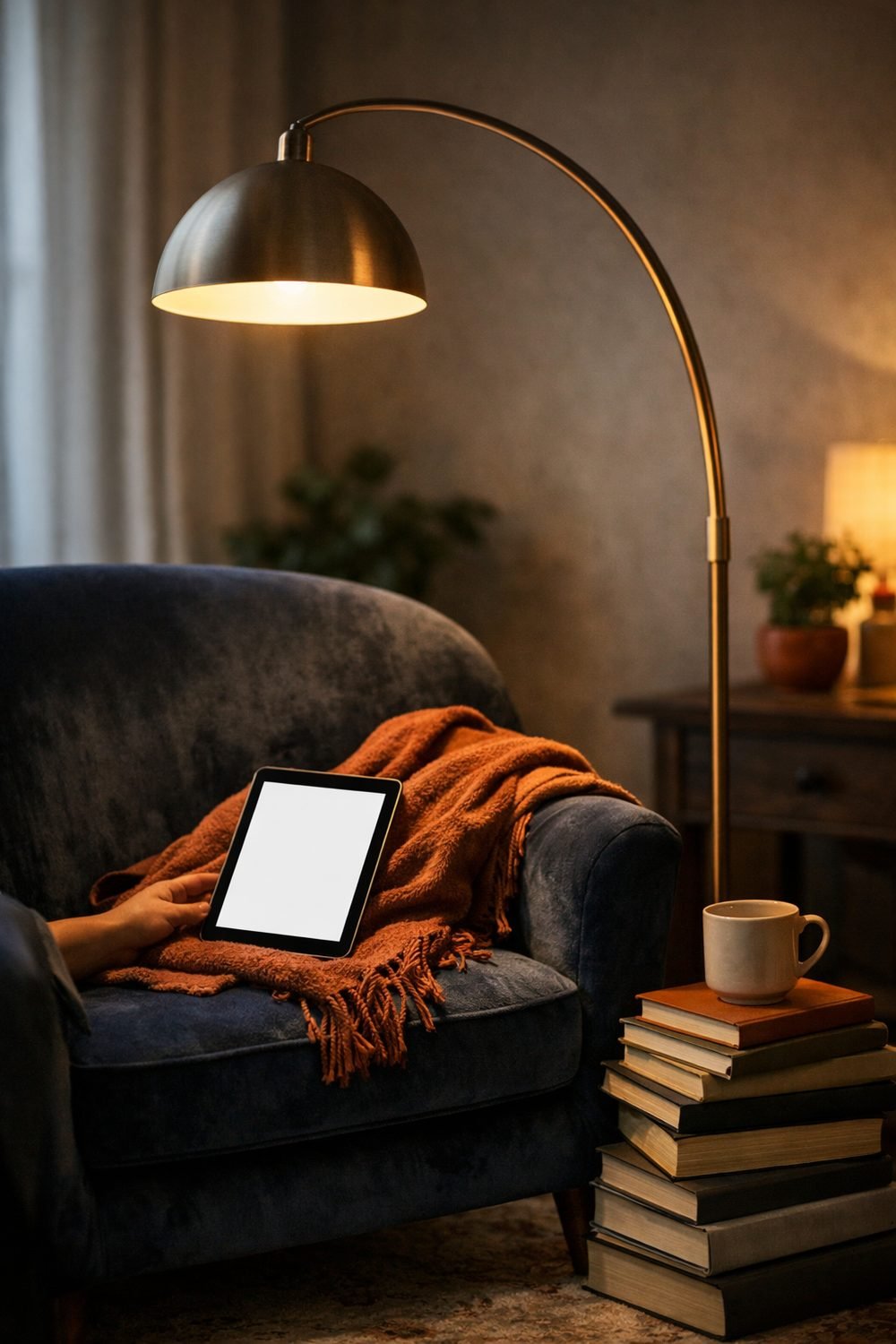
The best floor lamps can fix a dark corner faster than almost anything else you can buy for a room. A common mistake is buying a lamp on looks alone. It wobbled every time the dog walked past, and the switch was hidden halfway up the pole. So before you pick one, it helps to compare a few simple features side by side.
Below are the things I check now, in the order I check them. None of them are fancy. They're just the details that decide whether you'll still like the lamp in six months.
Short on time? Our top picks: IKEA, West Elm, Target and Amazon. See all picks
1. Height: Will a Tall Floor Lamp Actually Fit Your Space?
Floor lamps come in a wide range of heights, and the number on the listing doesn't always tell the full story. Arc floor lamps for living room corners might fit under your ceiling but still crowd a low space. A short one can look lost next to a big sofa, so it helps to compare heights when browsing at stores like IKEA or Target.
Think about what the lamp is for. If you want a reading lamp floor style for a chair, the bottom of the shade should sit somewhere near your shoulder when you're seated. That way the light falls on your book and not in your eyes. For general room light, a taller lamp that throws light up and out usually works better.
Practical tip: Before you order, hold a tape measure up in the exact spot where the lamp will go. Sit in the chair and look at it. It feels a little silly, but it's saved me from two returns.
2. Base: The Feature Nobody Talks About
This one is easy to skip, because bases aren't exciting in photos. But a weak base is the number one reason I've regretted a lamp. If it tips when you brush against it, you'll be nervous around it forever.
Heavier, wider bases tend to feel steadier, especially on tall or arc-style lamps where the weight hangs off to one side. A lightweight tripod floor lamp can look lovely, but it's not always the best pick near busy walkways or homes with kids and pets.
Check the listing for the base size and weight if it's given. Reviews are helpful here too. People are quick to mention wobbling.
Practical tip: On carpet, a flat round base usually sits more firmly than thin legs, which can sink in unevenly.
3. Bulb Type and Brightness
Here's where a lot of lamps quietly fall short. Some are an LED floor lamp with a built-in light you can't replace. Others take standard bulbs you can swap anytime. Neither is wrong, but you should know which one you're getting.
Lamps with a replaceable bulb are usually the better pick. If I don't love the light, I can change it. With built-in LEDs, what you get is what you live with, so read the details closely.
For brightness, look at lumens rather than watts. Also check the color temperature if it's listed. Warmer light feels cozier in living rooms and bedrooms. Cooler light can feel harsh at night but works for a desk or craft corner.
Practical tip: Check the seller's page for the maximum bulb wattage the lamp can safely take, and stick to it. If you're unsure, ask the seller or a qualified electrician.
4. Switch Style: Foot, Dial, or Cord
You'll touch this switch every single day, so it matters more than it seems. A tiny switch on the cord tends to end up behind the couch. That can mean crawling around in the dark looking for it. Not my favorite evening ritual.
Here's how the common types compare:
- Foot switch: Easy when your hands are full. Great for lamps tucked behind furniture.
- Dial or dimmer: Lets you set the mood. Handy if one lamp has to do several jobs.
- Cord switch: Common and simple, but it can get lost.
- Pull chain or switch on the socket: Fine if you can reach it without stretching.
Practical tip: Picture yourself walking into the room at night. Where will your hand or foot naturally go? Choose the switch that matches that.
5. Shade Material: Fabric, Glass, or Metal
The shade changes the feel of the light more than most people expect. Fabric shades soften it and spread a gentle glow. They're my go-to for living rooms. Linen in particular looks relaxed and fits most styles.
Glass shades can look elegant, and frosted glass spreads light nicely. Clear glass shows off the bulb, so you'll want a nice-looking one. Metal shades point light in one direction, which is great for reading but leaves the rest of the room dimmer.
Honestly, I think very dark fabric shades are a bit overrated. They look moody in photos, but in real life they block a lot of light. If you want a lamp that actually brightens a room, go lighter.
Practical tip: If you're stuck between two shades, choose the one that matches other fabrics or finishes in the room. It ties things together without much effort.
By the way, if you like little organizing projects around the house, you can grab our free set of 12 pantry labels when you join the email list.
6. Cord Length: Will It Reach the Outlet?
It's such a small detail, and it trips up so many people. You find the perfect spot for your lamp, set it up, and the cord stops a foot short of the outlet. Now you're shopping for an extension cord and trying to hide it under the rug.
Measure the distance from where the lamp will stand to the nearest outlet. Then add a little extra, because cords rarely run in a straight line. Most listings mention cord length somewhere in the specs.
Practical tip: Look at the cord color too. A white cord against a dark wall stands out more than you'd think.
7. Style and Finish: Matching Cool Floor Lamps to Your Room
Once the practical stuff checks out, then I let myself think about looks. A gold floor lamp, a black floor lamp, wood, and a white floor lamp all show up a lot, and each one shifts the vibe of a room. Black feels modern, and modern floor lamps for living room spaces often use it. Wood feels warm. Brass can lean classic, like a vintage floor lamp, or trendy depending on the shape.
If your room has a farmhouse or boho floor lamp kind of feel, wood bases and linen shades are an easy match. Keeping a simple list of colors and finishes you already own helps a lot. That's the reason I put together the Farmhouse Decor Planner & Shopping List below this post. It's just a handy way to keep track while you shop.
Practical tip: Snap a photo of the room before you shop and keep it on your phone. Comparing lamps against the real space beats guessing from memory.
8. Light Direction: Up, Down, or Both
Some lamps throw light up toward the ceiling. Others aim it down. A few do both, often with two heads. This affects how the room feels more than almost anything else on this list.
Uplighting bounces off the ceiling and fills the room with soft, even light. Downlighting is focused and great for reading or tasks. If you only have one lamp in a room, something that does a bit of both can cover more ground.
Practical tip: Uplighters work best with light-colored ceilings. A dark ceiling soaks up the light and you won't get much glow.
Floor Lamp Picks Worth a Look
If you want to start shopping with real options in mind, these are well-known names that make floor lamps in a range of styles. Use the checklist above to compare them.
IKEA
A good fit if you want simple, budget-friendly shapes and don't mind a bit of assembly. Check the base size and the bulb type listed for each lamp, since lamps vary from one to the next.
West Elm
Suits readers who want a design-forward look, such as arc or modern styles, for a living room. Check the shade material and finish options before you choose.
Target
Handy if you want to browse many styles in one place, from farmhouse to boho. Read the reviews for mentions of wobbling, and check the cord length.
Amazon
Works for comparing lots of lamps side by side, including reading and LED styles. Quality varies a lot between sellers, so check the specs and return policy closely.
Wayfair
A good place for readers who want a wide choice of finishes like black, gold, and wood. Check the listed height and base dimensions against your measured space.
Pottery Barn
Suits those leaning toward classic or traditional looks with fabric or linen shades. Check the switch style and bulb details on the product page.
Philips Hue
Worth a look if you want smart bulbs in a lamp with a standard socket. Check that your lamp and any dimmer work with the bulb you pick.
Check current plans and prices on each brand's own site before you buy.
FAQ
How many floor lamps should one room have?
It depends on the size of the room and what other lights you have. A small room may only need one, while a bigger living room often looks better with light coming from a few spots. It's best to start with one, live with it for a week, and then decide.
Are unique floor lamps with an arc shape worth it?
They can be, especially if you want light over a sofa without a ceiling fixture. Just pay close attention to the base, since all that reach puts weight off to one side. They also take up more room than they look like in photos.
What's the best floor lamp for reading?
Look for one with adjustable direction or a focused shade, set so the light falls on your page. A dimmer helps too. Placing it slightly behind and to the side of your chair usually works well.
Can I use a smart bulb in any floor lamp?
Many lamps with standard sockets can take smart bulbs such as Philips Hue, but not every lamp or dimmer plays nicely with them. Check the seller's page for bulb compatibility before you buy. If anything seems unclear, it's worth asking the seller directly.
Picking Your Lamp
You don't need the fanciest lamp out there. You need one that stands steady, fits the spot, reaches the outlet, and gives the kind of light you actually want. Check those first and the style part gets much easier.
If you'd like a simple next step, sign up for the free set of 12 pantry labels in the box on this page. Then take a look at the products below this post. The Cozy Room Calculator and Tracker Spreadsheet can help you plan lighting and furniture for a room, and the Farmhouse Decor Planner & Shopping List keeps your ideas in one place while you shop.
Printables and tools that can help
Farmhouse Decor Planner & Shopping List
Plan a farmhouse-style home room by room with a style guide and a shopping...
See detailsCozy Room Calculator and Tracker Spreadsheet
A spreadsheet with a summary page and a calculator sheet to track decor and organizing spending. Works in...
See details