Best House Plants: Features Compared Side by Side
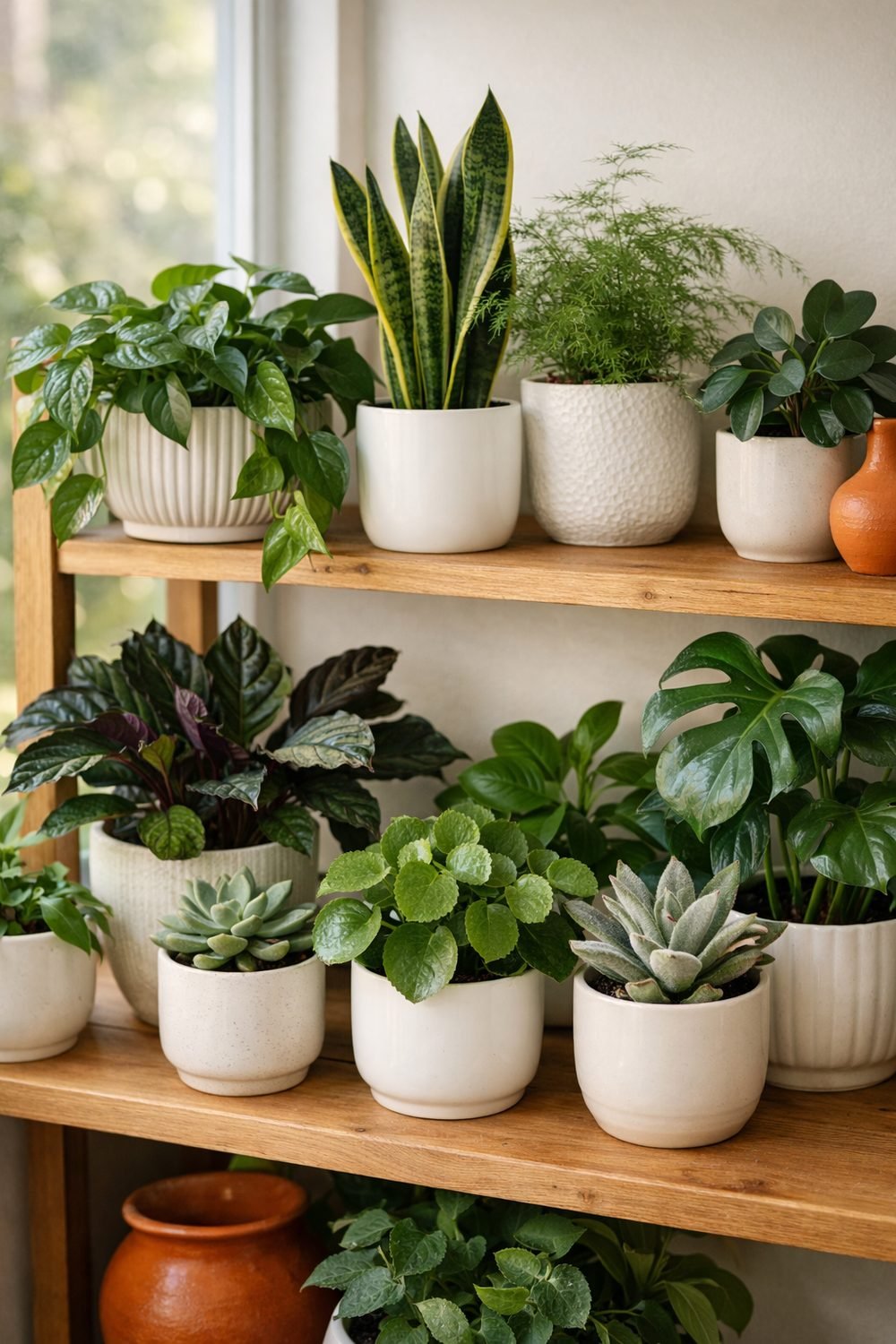
The best house plants make a room feel lived in. But I've learned the hard way that the prettiest plant at the store isn't always the right one for your home. A fiddle leaf fig placed in a dim corner may drop leaves for months before the owner gives up.
So instead of a list of "top plants," I'm going to walk you through the features I now compare side by side before I buy anything. Match these to your space and your habits, and you'll spend a lot less time rescuing sad, droopy leaves.
Short on time? Our top picks: PictureThis, Planta, The Sill and Bloomscape. See all picks
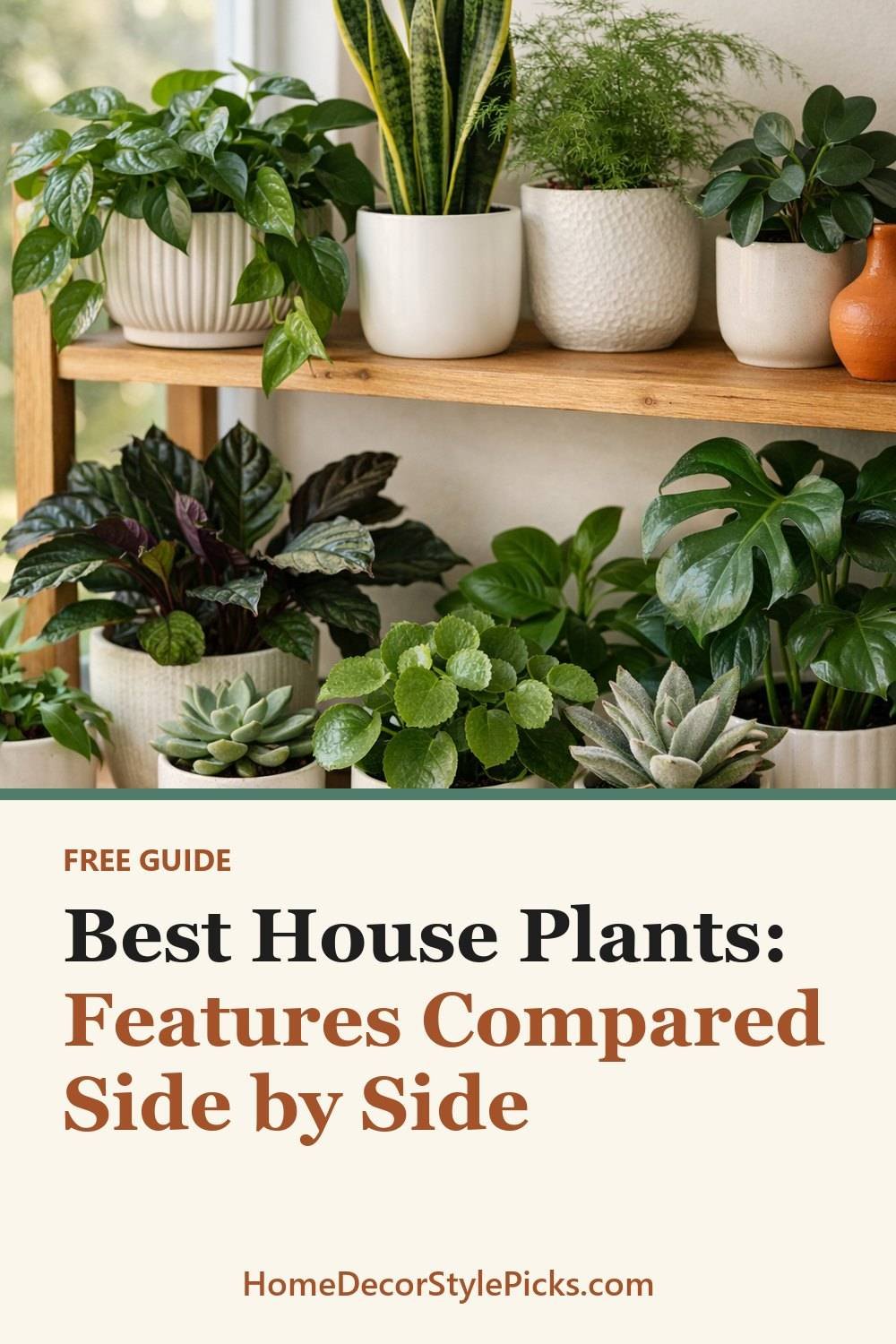
1. Light: Be Honest About Your Windows Before Buying Indoor House Plants
This is the big one. Most plant tags say "low," "medium," or "bright indirect" light, and those words mean more than you'd think. Low light usually means a spot a few feet from a north-facing window, or a room that never gets direct sun. Bright indirect means lots of daylight, but the sun's rays don't hit the leaves directly for hours.
Easy house plants that tend to handle lower light include snake plants, ZZ plants and pothos, and an app like PictureThis can help you identify one you already own. Plants that want more light include succulents, many cacti and the famous fiddle leaf fig. If you put a sun lover in a dark hallway, it will stretch, fade and slowly sulk.
Practical tip: Watch your chosen spot at three times on a weekend: morning, noon and late afternoon. Note whether sunlight actually lands there. That one lazy Saturday will tell you more than any plant tag.
2. Water: How Often You'll Actually Do It
Here's where I think most people go wrong. They don't kill plants by forgetting them. They kill them with too much love and a watering can every other day.
Some plants, like snake plants and ZZ plants, are happy if you let the soil dry out completely between drinks. Others, like ferns and peace lilies, like their soil to stay lightly damp. The schedule on a plant tag is a rough guide, not a rule. Your home's heat, humidity and the time of year all change how fast soil dries.
Skip any plant that needs more attention than you can honestly give. If you travel a lot, a thirsty fern is going to be a stress, not a joy.
Practical tip: Push your finger about an inch into the soil before you water. If it's still damp, wait. It's the simplest test there is, and it's saved more of my plants than any gadget.
3. Size: Think About Large House Plants Two Years From Now
That cute little monstera in a 4-inch pot? It can grow into a big, sprawling plant that takes over a corner. The size you buy is rarely the size you'll live with.
When you compare plants, look for the mature height and spread on the tag or the seller's page, especially if you shop for house plants online. Then measure your space. A trailing pothos might be perfect on a high shelf, while tall house plants like a snake plant suit a narrow spot next to a sofa. Wide, leafy plants need room so they don't brush against walls and get bent.
Practical tip: Use painter's tape to mark the plant's expected full size on the wall or floor. It looks a bit silly for a day, but it stops you from crowding a room.
Quick side note: if you like keeping your home organized in little ways like this, you can grab our Free Set of 12 Pantry Labels by joining the email list.
4. Pets: Check Before You Bring It Home
If you have a cat that chews everything, like mine does, this feature moves straight to the top of the list. Some common house plants can upset pets if they nibble on them, and some can be more serious than that.
There is no "safe list" here, because it is better to check a reliable source for the exact plant. Look at the seller's page, read the plant tag closely, and ask your vet if you're unsure. Plant names can be confusing too. Two plants with similar common names can be very different.
Practical tip: Look up the plant's full scientific name, not just the nickname, before you check whether it's pet safe. And if you're still unsure, place it somewhere your pet truly can't reach, like a hanging planter.
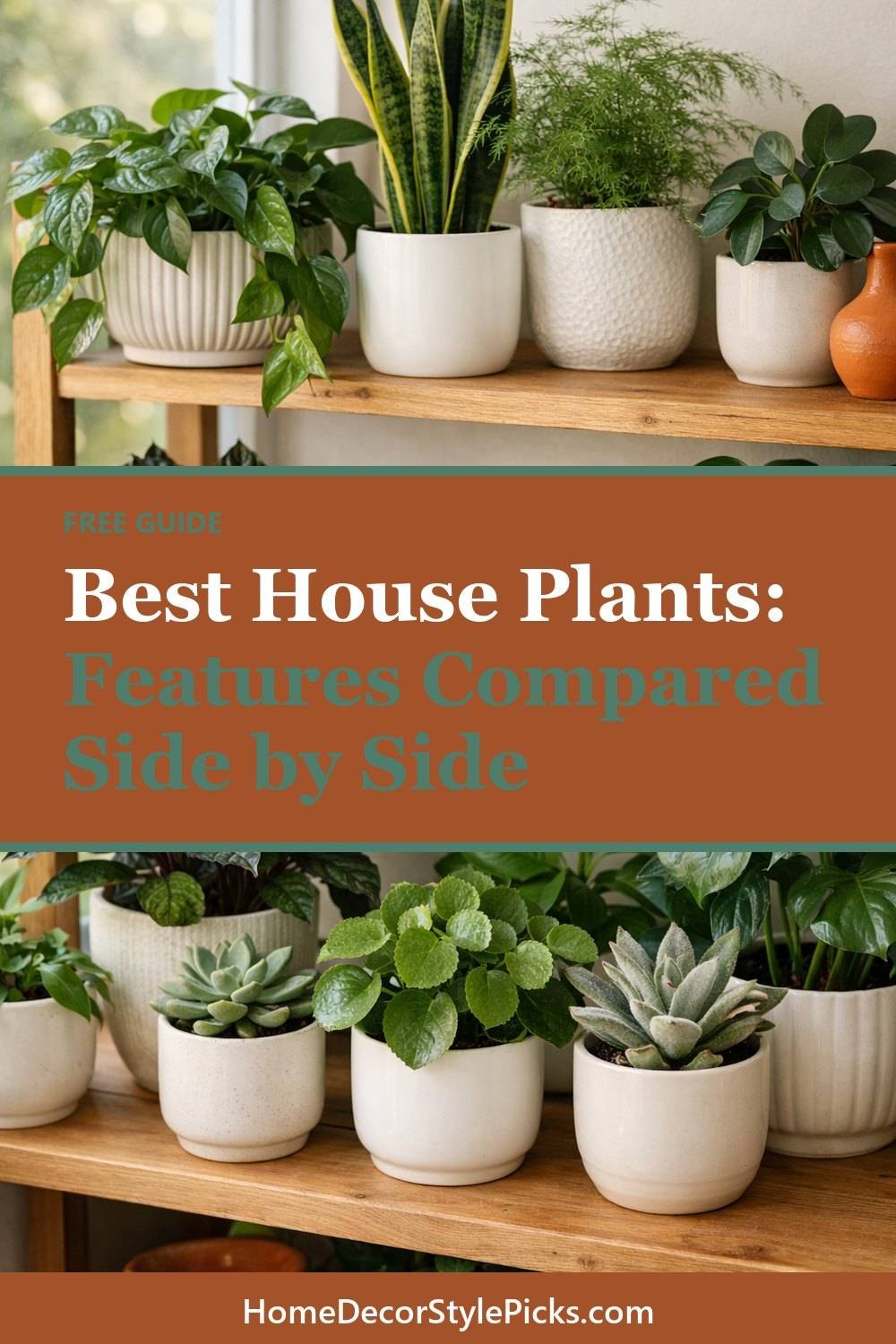
5. Pot: Drainage Matters More Than Looks
A pretty pot is a fine thing to enjoy. But a gorgeous ceramic planter with no drainage hole is honestly one of the most overrated things in plant decor. Water collects at the bottom, roots sit in it, and things go downhill fast.
When you compare pots, including self-watering styles from brands like Lechuza, check for a hole in the bottom or a clear explanation of how the water is managed. If you've fallen for a pot without one, use it as a cover. Keep the plant in a plain plastic nursery pot with holes, and set that inside the pretty one. Lift it out to water, let it drain, then pop it back.
Material matters a little too. Terracotta dries out faster, which suits plants that like dry soil. Plastic and glazed pots hold moisture longer.
Practical tip: Put a small saucer or a few pebbles under your inner pot so it never sits in a puddle. Empty the saucer about half an hour after watering.
6. Care Level: Match Easy House Plants to Your Real Life
Beginner friendly plants forgive mistakes, which is why many people start with them. They bounce back if you forget to water or put them in a so-so spot. Fussier plants want steady light, steady water and sometimes extra humidity.
If you're new, I'd start with one or two tough plants and see how it goes. Pothos and snake plants are popular picks for a reason. Once you've kept those going for a few months, try something pickier. Buying five plants at once is a common mistake, since it gets hard to tell which one needs what.
Practical tip: Keep a simple note on your phone, or use an app like Planta, with each plant's name, where it sits, and when you last watered it. It sounds like overkill, but it helps a lot in the first couple of months.
7. Style: Where It Fits in Your Room
This one's more fun. A plant should suit your space, not just survive in it. Trailing plants soften bookshelves, and if you can't keep live ones alive, artificial hanging plants can do the same job. Tall, upright plants add height to a bare corner, and large artificial plants are an option for very dark spots. Round, leafy plants make a coffee table feel cozy.
You can plan plants the same way as any other decor piece, with a quick sketch and a short list. If that sounds like you, the Farmhouse Decor Planner & Shopping List below this post is a handy place to jot down spots, sizes and pot ideas before you shop. The Cozy Room Deals Feed Starter Kit is also there if you like keeping an eye out for room decor finds.
Practical tip: Group plants in odd numbers, like a cluster of three at different heights. It looks natural and makes watering easier since they're all in one place.
Helpful Tools and Brands for Plant Shopping
A few well-known tools and shops can make it easier to match plants to your space and keep them going. Here are the ones I'd look at first.
PictureThis
A plant identification app that suits people who bring home unlabeled plants or inherit one from a friend. Check any care advice against a second source, especially for pet safety.
Planta
A plant care reminder app that suits people who forget what each plant needs. Check which features sit behind a paid plan before you commit.
The Sill
An online plant shop that suits beginners who want plants paired with planters. Check the mature size and light needs listed for each plant before ordering.
Bloomscape
An online plant retailer that suits people who prefer to shop from home. Read the shipping and return details on the site, since live plants can be fussy about both.
Etsy
A marketplace that suits shoppers who want unusual plants or handmade planters from small sellers. Policies vary by seller, so read each listing and shop page closely.
Lechuza
A planter brand known for self-watering pots, which suits people who travel or tend to forget watering. Check that the size fits your plant's roots and that you understand how the water reservoir works.
Moisture meter from Lusterleaf
A simple soil moisture meter that suits people who worry about overwatering. Treat the reading as a hint and still do the finger test.
Check current plans and prices on each brand's own site before you decide.
FAQ
What's the easiest house plant for a beginner?
Snake plants, ZZ plants and pothos are often recommended because they handle a range of light and don't mind a missed watering. Still, check the care tag for the specific plant you buy. Even easy plants have limits.
How do I know if I'm overwatering?
Yellowing leaves, soggy soil and a musty smell can all be signs. Let the soil dry out more between waterings and make sure the pot drains well. If things don't improve, ask someone at a local garden center to take a look.
Can I keep plants in a room with no windows?
Most plants need some light to grow, so a windowless room is tough. Some people use grow lights, which can help. Check the plant's needs and the light's details on the seller's page before you buy.
Do I need to repot a new plant right away?
Usually not. Many plants do fine in their nursery pot for a while, and moving them can add stress. Wait until roots start poking out of the bottom or the plant seems cramped.
If you take one thing from this post, let it be this: pick the plant that fits your light and your habits, then worry about looks. Your next step is easy. Join the email list to get your Free Set of 12 Pantry Labels, then take a look at the Farmhouse Decor Planner & Shopping List and the Cozy Room Deals Feed Starter Kit below this post to start planning your space.
Printables and tools that can help
Cozy Room Deals Feed Starter Kit
Printable cards and a checklist of small decluttering tasks for ten-minute...
See detailsFarmhouse Decor Planner & Shopping List
Plan a farmhouse-style home room by room with a style guide and a shopping...
See details