Garage Tool Storage: Features Compared Side by Side
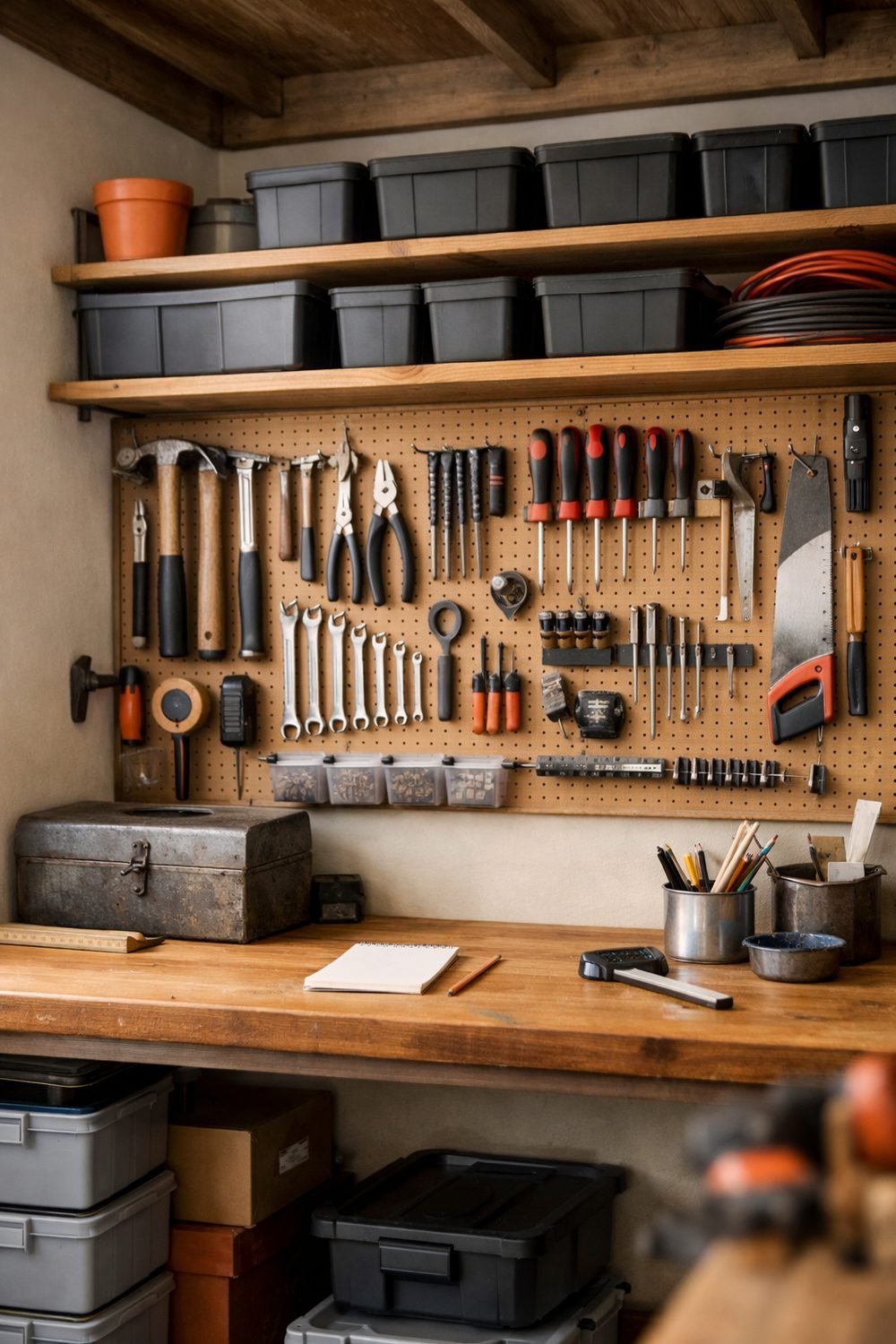
Many garages end up with a "tool pile." That's the honest name for it. A drill on the dryer, a box of screws under the bike, and a hammer that showed up wherever I last used it. When you finally sort it out, you learn that picking garage tool storage is less about what looks nice in the store and more about a few plain features. Space, weight, how it mounts, what you're storing, what it's made of, and how much room it leaves for later.
Below is a walk through each of those features side by side, with examples and a few common mistakes worth avoiding.
Short on time? Our top picks: Gladiator GearWall, Husky Garage Storage, Craftsman Rolling Tool Chests and Kreg Tool Storage. See all picks
Start With the Garage Storage Space You Actually Have
Grab a tape measure before you grab anything else. That may sound obvious. It still gets skipped often, and people end up buying a cabinet that blocks the side door by a couple of inches.
Measure three things:
- Wall space: width and height, minus outlets, light switches, windows and the garage door track.
- Floor space: the depth you can give up while still parking a car and opening its doors all the way.
- Walkway: the path you use to carry groceries or take out the trash. Keep it clear.
Here's a trick that helped me. Tape the outline of a cabinet or shelf on the floor and wall with painter's tape, then live with it for a few days. If you keep bumping the tape with your car door, you have your answer.
Wall storage wins when floor space is tight, and garage hanging storage is a great way to use it. Floor cabinets and tool chests win when you have a deeper garage or a corner nobody uses. Most people end up with a mix.
Weight Limits Matter More Than People Think
Tools are heavy. A few power tools, a box of batteries and a coffee can of bolts add up fast. Every shelf, hook and cabinet has a load limit, and it's usually listed on the box or the seller's page. Read it. Then assume you'll go over your guess.
Two things to check side by side:
- Per shelf or per hook: how much one spot can hold.
- Total unit: how much the whole thing can hold together.
Those numbers aren't always the same, and the second one is often lower than you'd expect from adding up the first.
The wall matters too. A rail rated for a lot of weight doesn't help much if it's screwed into drywall alone. Most heavy wall systems need to go into studs. If you're not sure what's behind your wall, or you have block or concrete, it's worth asking someone at the hardware store or a handyperson before you hang your miter saw over your head.
Wall, Floor or Rolling: How Each Garage Storage Solutions Style Compares
This is the feature that changes how your garage feels day to day. Here's how the three main styles stack up.
Wall-mounted
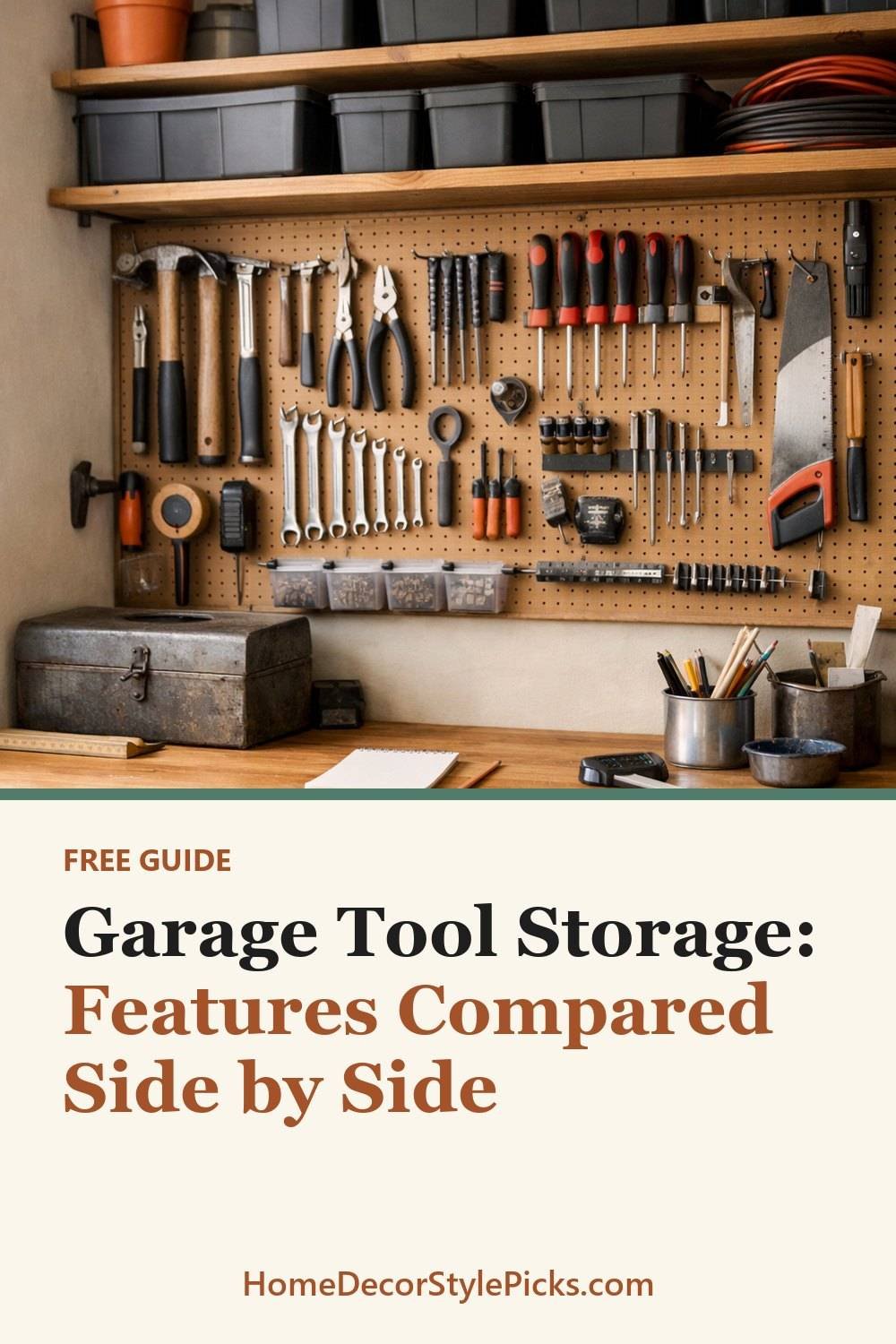
Pegboard, slat wall panels, rail systems and wall cabinets all fall here. They keep the floor clear, and you can see everything at a glance. The downside is that they're a bit of work to install, and moving them later means patching holes. I like rail systems, such as Rubbermaid FastTrack, for long-handled stuff like rakes and shovels. Pegboard is cheap and flexible, but I find the hooks pop out when you grab a tool fast. Some brands sell locking hooks, which help.
Floor-standing
Freestanding garage storage shelves and tall cabinets need no drilling, which is great for renters. They hold a lot. But they eat floor space, and tall units can tip if loaded top-heavy. Many come with an anti-tip strap. Use it.
Rolling
Rolling tool chests and carts, like the Craftsman Rolling Tool Chests, are my personal favorite tool organizer for hand tools. You can roll the whole thing to the driveway when working on the car, then push it back against the wall. Check that the wheels lock and that they're sized for your floor. Tiny wheels on a cracked garage floor are no fun.
Honestly, a rolling cart is the one piece I'd buy first if I were starting over.
Match the Storage to Your Tool Types
Look at what you own before you shop. Dump it all on a tarp if you need to. It's a little embarrassing to see how many tape measures you have (I had five), but it tells you what kind of storage you need.
Large tools like ladders, leaf blowers, wheelbarrows and lawn gear do best on heavy wall hooks or open floor space, and garden tool storage works the same way. Medium tools, think drills, sanders and saws, like sturdy shelves or cabinets, ideally at waist height so you're not lifting them overhead. Small tools such as screwdrivers, wrenches and pliers belong in drawers, a rolling chest or pegboard where you can see them. And the tiny stuff, screws, nails, washers and drill bits, wants small clear bins such as Sterilite Clear Storage Bins or drawer organizers.
If you have a mixed collection, which most of us do, a combo setup is normal. A wall system for the big things, a rolling chest for hand tools and a shelf of bins for little parts covers a lot of garages.
One small habit that made a real difference: labeling the bins. If you'd like a head start, the free set of 12 pantry labels you get for joining the email list works just as well on garage bins as it does on flour jars.
Steel, Plastic or Wood: Materials Side by Side
Each material has a place. None of them is "best" for everyone.
Steel is strong and handles heavy loads. It's what most tool chests and heavy shelving are made of. In a damp garage, look for a powder-coated or rust-resistant finish, because bare metal can rust. It's also the heaviest to move.
Plastic (often called resin) is light, won't rust and wipes clean easily. It's good for bins, smaller shelves and humid spaces. It can sag under heavy weight over time, so I keep power tools off plastic shelves. Cheap plastic also gets brittle in very cold garages.
Wood looks warm and you can build it yourself to fit odd spaces. A simple plywood shelf is easy to make. But wood can swell or warp with moisture, so it's better in a dry garage or with a sealed finish.
A common garage setup pairs a steel storage cabinet and tool chest with plastic bins and a plywood workbench you can build yourself. That mix has held up fine.
What I'd skip: fancy finishes that cost more just for looks. A shiny garage cabinet is nice for photos, but it gets scuffed the first week either way.
Leave Room for More Tools Later
You will buy more tools. Everybody does. A new project comes along and suddenly you own a tile saw.
When you plan your storage, aim to fill only about two-thirds of the space at first. Leave a few empty hooks on the wall, a shelf with nothing on it and a drawer that's mostly open. It feels wasteful at first. Six months later it feels smart.
Modular garage storage units help here. Wall rails, slat panels and stackable bins let you add pieces later without starting over. Before buying, check whether the brand sells add-ons and whether they're easy to find.
If you like to plan things out on paper first, the Organizing Ideas List and Tracker below this post is a simple way to jot down what you have, what you want to add and what's still waiting in a box.
A Quick Side-by-Side Look
Here's how I'd sum up each option if a friend asked me in the driveway:
- Pegboard: cheap, flexible, best for small hand tools. Hooks can slip.
- Rail or slat wall: strong and adjustable, great for big and long tools. More work to install.
- Freestanding shelves: no drilling, hold a lot. Use the anti-tip strap.
- Wall cabinets: hide clutter and keep dust off. Need solid mounting.
- Rolling chest: portable, holds hand tools neatly. Check the wheels and locks.
- Clear bins: perfect for small parts. Label them or you'll open all ten.
Summary
Good garage tool storage comes down to a few honest checks, and a tidy closet organizer approach helps too. Measure your space, respect the weight limits, pick the mounting style that suits how you work, match storage to your actual tools, choose materials that suit your garage's climate and leave room to grow. You don't need to do it all in one weekend. Doing it in pieces is fine.
Garage Tool Storage Picks Worth a Look
These are well-known options that cover the main styles we compared above, from wall systems to rolling chests. Each one suits a different kind of garage, so match it to your space and tools.
Gladiator GearWall
A slat-style wall panel system that suits people who want to keep the floor clear and rearrange hooks and baskets as their tools change. Check that your wall can take the mounting method and the weight you plan to hang.
Husky Garage Storage
Sold through The Home Depot, this line includes steel shelving, cabinets and workbenches. It suits anyone who wants sturdy floor-standing pieces without drilling. Check the load rating for each shelf and for the whole unit before you stack heavy tools.
Craftsman Rolling Tool Chests
A good fit for hand tool collections that need to move between the wall and the driveway. Check that the casters lock and that the drawers are the depth your tools need.
Kreg Tool Storage
Kreg makes workshop organizers and storage accessories that suit woodworkers and DIYers with a lot of small items. Check that the pieces fit the space and the tool brands you already own.
Rubbermaid FastTrack
A rail and hook system aimed at long-handled tools, sports gear and garden gear. It suits renters or anyone who wants an adjustable wall setup. Check that the rail goes into studs and that the hooks match your tools.
Milwaukee PACKOUT
A modular system of boxes and organizers that stack and lock together. It suits people who carry tools to jobs as well as store them at home. Check that it works with the tool brands you own, and leave room for add-ons.
Sterilite Clear Storage Bins
Clear plastic bins that suit screws, bits and other small parts. They are light and will not rust. Check that the lids close well and keep power tools off plastic shelves.
Check current plans and prices on each brand's own site before you buy.
FAQ
What should I buy first for garage tool storage?
Start with whatever fixes your biggest mess. For a lot of people, that's a rolling chest for hand tools or a few heavy wall hooks for long-handled gear. Get one piece working before you buy the next.
Can I hang tool storage on drywall?
Light items might be okay with the right anchors, but heavier systems usually need to go into studs. Check the seller's instructions for your exact product. If you're unsure, ask a hardware store worker or a handyperson.
Is pegboard worth it?
For small hand tools, yes, I think so. It's affordable and easy to rearrange. It's not my pick for heavy power tools, and I'd look for locking hooks if loose ones bug you.
How do I keep tools from rusting in the garage?
Keep them dry, wipe them off after use and avoid storing them right on a damp concrete floor. Closed cabinets or bins with a lid can help. Rust-resistant finishes on shelves and chests are worth looking for too.
If you're ready to get started, grab your free set of 12 pantry labels by joining the email list, and stick a few on your garage bins this weekend. Then take a look at the Kitchen Cabinet & Closet Organization Planner and the Organizing Ideas List and Tracker below this post if you'd like a simple way to plan the rest of your home, one corner at a time.
Printables and tools that can help
Kitchen Cabinet & Closet Organization Planner
Organize kitchen cabinets and closets zone by zone with checklists and planning...
See detailsOrganizing Ideas List and Tracker
A printable list of organizing ideas with a tracker for each...
See details