Garden Tool Storage: Pros, Cons and Alternatives
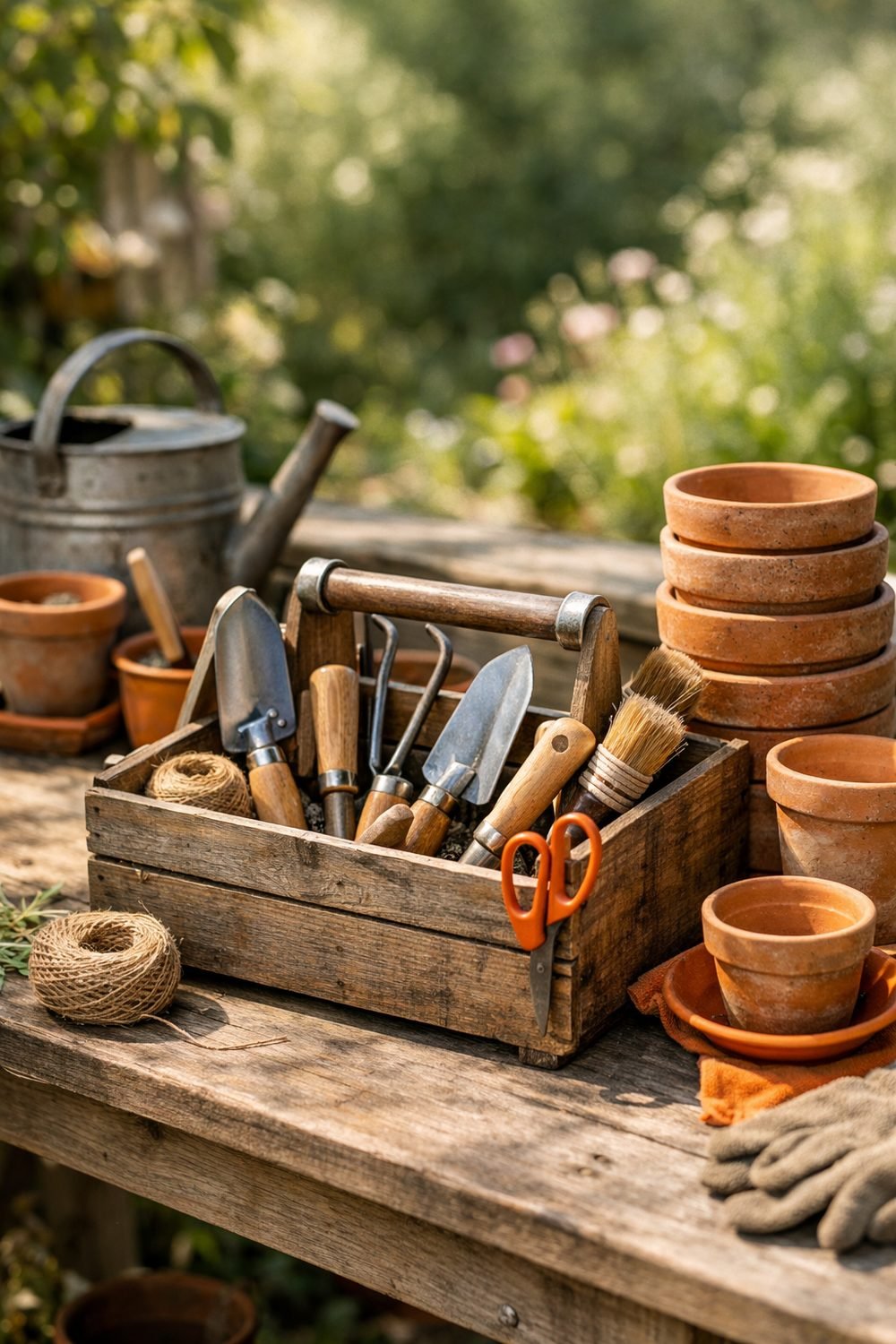
Without good garden tool storage, garden tools have a way of ending up everywhere. The rake leans against the fence, the trowel hides in a flower bed, and the hose sits in a tangle by the back door. It's easy to spend a whole spring hunting for the same pair of pruners every weekend before admitting you need a real system.
Good storage keeps your tools dry, makes them easy to grab, and stops the shed or garage tool storage area from turning into an obstacle course. But no single option works for everyone. Below, I'll go through the most common choices, what I like about each, where they fall short, and a few cheaper alternatives if you're not ready to spend much.
Short on time? Our top picks: Gladiator GearWall or GearTrack, Rubbermaid Outdoor Storage Sheds, Suncast Storage Cabinets and Sheds and Keter Storage Sheds and Deck Boxes. See all picks
Wall Storage: Racks Are Great for Long-Handled Tools
Wall racks are the first thing most people buy, and for good reason. They get shovels, rakes, and hoes off the floor and up where you can see them. In a small shed, that floor space matters more than you'd think.
The catch is mounting. A rack loaded with heavy tools needs to be fixed into something solid, usually a wall stud or a sturdy wooden beam. Drywall alone won't hold it for long. If your shed walls are thin metal or plastic, check the product page to see what the rack is designed for before you buy.
What I like: everything is visible, nothing falls over, and it looks tidy fast.
What bugs me: you have to plan where it goes, and moving it later means new holes in the wall.
Freestanding Tool Stands
If drilling isn't an option, maybe you rent or your walls just won't take screws, a freestanding stand is a decent fix. These are usually a base with slots or a round tube that holds tools upright, handles down or handles up.
It was handy because I could drag it to the patio in summer and tuck it into a corner in winter. That said, it can eat up a surprising amount of floor, and the cheaper ones may tip over when you pull out a single heavy shovel.
If you go this route, look for a wide, heavy base. A lightweight stand full of tools is top-heavy, and it'll topple the first time you bump it.
Sheds With Built-In Shelves for Garden Tool Organizers
A shed with shelving, such as one from Suncast, is the roomy option. You get a dedicated spot for pots, bags of soil, seed packets, gloves, and the tools themselves. When it's set up well, it's honestly a pleasure to walk into.
The downside is cost and commitment. A shed is a bigger purchase than a rack or a bin, and you'll need space in the yard plus a level base. Some areas also have rules about sheds, so it's worth checking with your local council or homeowners' group before you buy one.
One thing I'd skip: buying a shed bigger than you need "just in case." Extra space tends to fill up with junk that isn't gardening related at all. Mine became a home for old paint cans before I caught it.
Making shelves work harder
Put the things you use weekly at waist height. Heavy bags go on the bottom shelf, never up high. Small items like twine, plant ties, and labels do better in a shallow box on a shelf than loose, where they roll off and vanish.
Hooks and Pegboards for Hanging Storage
Pegboards, like the kits from Husky, are my personal favorite for hand tools. Trowels, pruners, hand forks, gloves, and even a coiled extension cord can all hang in plain sight. You can move the hooks around whenever your collection changes, which is nice because it always changes.
The trade-off is that you need to plan a little. If you just stick hooks in randomly, it ends up looking messy and you lose the benefit. It helps to lay all your tools on the floor first, arrange them how you want, then copy that layout onto the board.
A trick I picked up from a neighbor: trace around each tool with a marker once it's hung. When something's missing, the empty outline tells you right away. It sounds a bit fussy, but it can stop kids from "borrowing" tools without returning them.
If you like that kind of setup planning, the Organizing Ideas List and Tracker below this post is a simple way to jot down layouts and keep track of which corner you're tackling next.
Bins and Totes for Small Items
Plastic storage bins, such as IRIS USA clear bins, are cheap and easy to find, and they're good for things that don't hang well. Think bags of bulbs, spare hose fittings, bird netting, or seasonal stuff you only need a few months a year.
Where they go wrong is stacking. Once you have five bins piled up, the one you need is always at the bottom. Stack no more than two or three high and use clear bins wherever you can, so you can see inside without lifting the lid.
Labels help more than you'd expect. Even a strip of tape with "Seeds" written on it saves time, much like labeling containers in a kitchen pantry storage setup. If you'd like something a little neater, you can join the email list and get our free set of 12 pantry labels, which work just as well on garden bins as on spice storage jars.
One more tip: drill a couple of small holes in the bottom of any bin that holds damp items. Trapped moisture leads to mold and rust.
Cabinets
Cabinets are the option for people who want things closed away. They hide clutter, keep dust off, and many can be locked. That lock matters if you store sharp tools, garden chemicals, or anything you don't want little hands getting into.
They do cost more than open storage, and outdoor-rated cabinets cost more again. They're also a bit overrated for everyday tools. If you have to open a door every time you grab a trowel, you'll probably start leaving it on the bench instead. Cabinets work best for chemicals and sharp blades only, with everything else kept open.
For product storage, always follow the instructions on the label. Some things need to be kept cool, dry, or away from other products, and the label is the best guide.
Cheaper Alternatives That Actually Work
You don't need to buy a full system to get organized. Some of the best setups I've seen came from things people already had.
- An old bucket filled with sand and a little oil can hold hand tools upright and help keep the metal clean.
- A wooden pallet screwed to a wall makes a rough but useful rack for rakes and shovels.
- A shoe organizer with clear pockets hung on the back of a door is great for gloves, seed packets, and plant labels.
- A sturdy rolling cart lets you wheel your most-used tools out to the garden and back.
- Large screw-in hooks on a fence post can hold a hose or a watering can.
These won't look like a magazine photo. They'll keep things off the ground, though, and that's most of the battle.
Our top picks for garden tool storage
Here are a few well-known options that cover the main storage styles above. Match each one to your space, your tools and how much you want to spend.
Gladiator GearWall or GearTrack
Suits garage owners who want a wall system for long-handled tools and small hooks. Check that your wall can carry the load and which hooks and accessories come with the panels or channels.
Rubbermaid Outdoor Storage Sheds
A fit for people who want a ready-made shed with a simple setup. Check the interior size against your mower and tools, and confirm the base and anchoring needs.
Suncast Storage Cabinets and Sheds
Good for people who want closed storage that keeps dust and weather off their gear. Look at whether the model is meant for outdoor use and whether the door can be locked.
Keter Storage Sheds and Deck Boxes
Suits smaller patios and yards where a compact, weather-resistant box makes more sense than a full shed. Check the door opening and inside height to be sure long tools will actually fit.
Home Depot Husky Pegboard and Hook Kits
Works well for hand tools you want in plain view, with hooks you can rearrange. Check the weight guidance for the board and the hooks, and keep heavy shovels on a separate rack.
IRIS USA Clear Storage Bins
Handy for bulbs, hose fittings and seasonal bits that don't hang well. Check that the lids latch securely and that the size stacks neatly with your other bins.
Sterilite Storage Totes
A budget-friendly pick for people who just need basic lidded boxes in the shed. Think about whether the plastic suits cold or hot storage spaces before you stack a lot of weight on top.
Check current plans and prices on each brand's own site before you buy.
FAQ
What's the best storage for a small shed?
Start with a wall rack for long tools and a pegboard for small ones. That clears the floor for bins or a mower. Add shelves only if you still need more room.
How do I stop my tools from rusting?
Wipe off dirt and moisture after each use, and store tools somewhere dry with some airflow. Hanging them helps because air can get all the way around. A light coat of oil on metal parts before winter is a common habit too.
Can I use garage tool storage for my garden tools instead?
Yes, plenty of people do. The same ideas apply: hang what you can and keep chemicals in a closed cabinet. Just keep them away from the car's path so you're not knocking rakes over every morning.
Is a pegboard strong enough for heavy tools?
It depends on the board and how it's mounted. Many are fine for hand tools but not for heavy shovels. Check the weight guidance from the maker and put the heaviest items on a separate rack.
Summary
Wall racks and pegboards save floor space but need solid mounting. Freestanding stands move easily but take up room. Sheds and cabinets give you plenty of space and security at a higher price, while bins are cheap but need care so they don't become a messy stack. Mix and match based on what you own and how you garden.
If you're ready to get started, grab the free set of 12 pantry labels by joining the email list. They're perfect for marking bins and shelves. Then take a look at the Kitchen Cabinet & Closet Organization Planner and the Organizing Ideas List and Tracker below this post if you'd like a little help planning the rest of your home too.
Printables and tools that can help
Kitchen Cabinet & Closet Organization Planner
Organize kitchen cabinets and closets zone by zone with checklists and planning...
See detailsOrganizing Ideas List and Tracker
A printable list of organizing ideas with a tracker for each...
See details