Table Top Christmas Tree with Lights: How to Pick the Right One
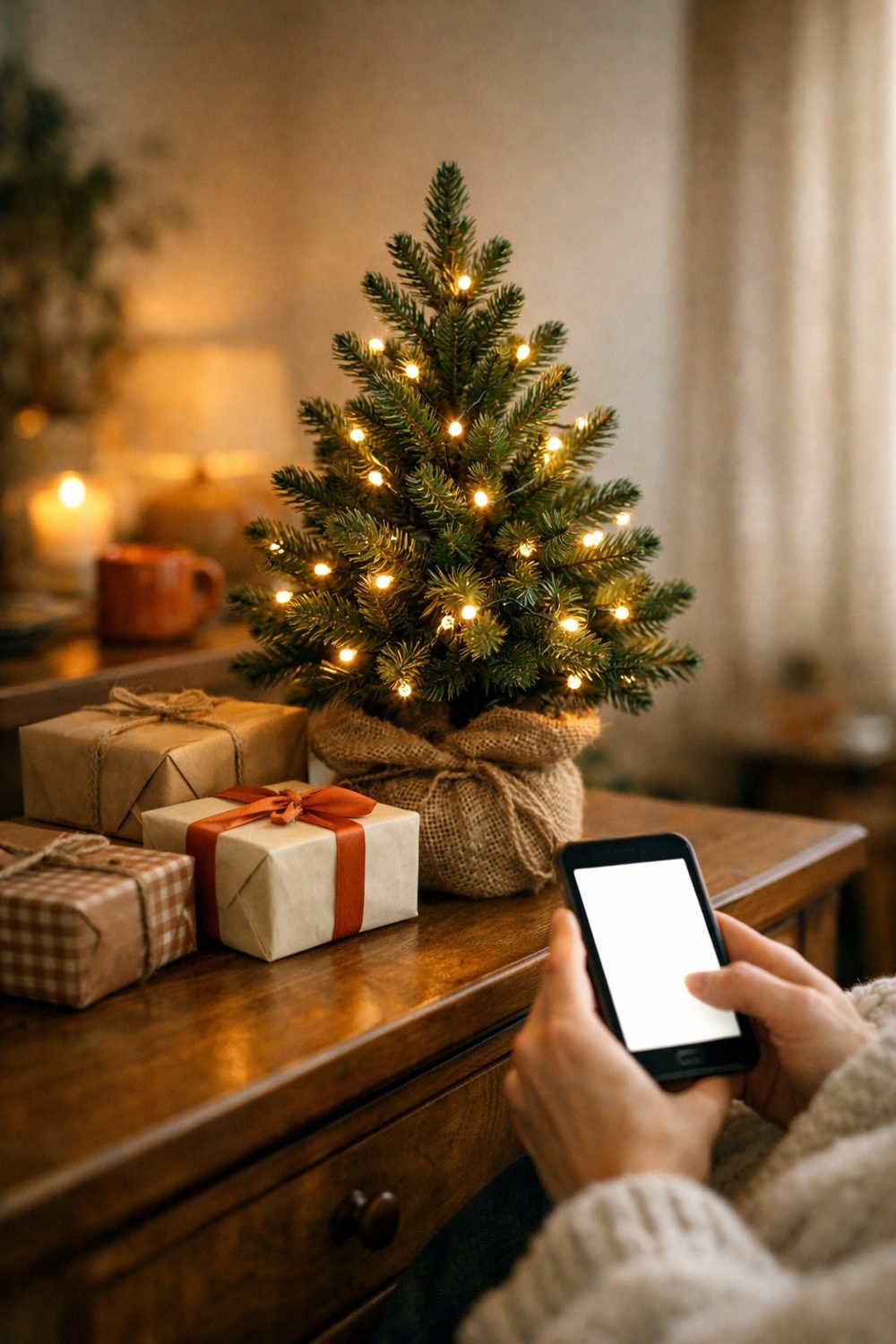
A table top christmas tree with lights is one of my favorite small-space tricks. A tabletop tree suits a cramped apartment, where a full-size tree could block the only path to the balcony. It sat on a side table, glowed every evening, and honestly made the room feel more festive than the big tree I'd had the year before.
But picking one isn't as simple as grabbing the first cute box at the store. Common problems with table top trees include a wobbly base, lights that fail within a couple of weeks, and a tree so tall it brushes the lampshade. So here's how I'd choose, step by step, so you skip those mistakes.
Short on time? Our top picks: National Tree Company, Balsam Hill, Home Depot and Target. See all picks
What You Need
You don't need much. Gather these before you start shopping:
- A tape measure
- A note on your phone (or a scrap of paper) for measurements
- A rough idea of where the tree will sit
- Knowledge of where your nearest outlet is, if any
- Ten quiet minutes to look at that spot with fresh eyes
That's it. The measuring part takes two minutes, and it saves you a return trip.
Step 1: Measure Your Spot First
Before you look at a single tree, go stand by the table, shelf, or mantel where it'll live. Measure the width and depth of the surface. Then measure the height you have to work with, up to any shelf above, a lamp, a cabinet, or a window ledge.
Write those numbers down. Now think about what else shares that surface. If there's a lamp, a bowl of keys, or a plant, the tree needs room to sit beside them without branches poking into everything.
A good rule: the tree's base should leave a few inches of table showing on every side. When the branches hang right to the edge, it looks crowded and gets knocked over easily.
Tip: Check the tree's widest point, not just its height. Product listings often show height in big letters and hide the width in the details. A short tree can still be surprisingly wide at the bottom.
Step 2: Pick a Height That Fits the Table
Height is where most people go wrong. Small trees usually come in a range of sizes, from tiny desk versions to taller ones that are almost floor-tree territory.
Here's how I think about it. On a low coffee table, a shorter tree looks right because you're mostly looking down at it. On a console table against a wall, you can go taller, since it reads more like a display piece. On a kitchen counter, shorter is usually better because upper cabinets are closer than you'd guess.
Don't forget the topper. If you plan to add a star or bow, that adds a few inches. Forgetting this exact thing can lead to a scorched lampshade, so check how close the tree sits to anything warm.
Tip: Cut a piece of cardboard or tape a strip to the wall at the tree's listed height. Leave it there for a day. If it feels too tall every time you walk past, it is.
Step 3: Pick a Fake Christmas Tree with Lights Built In, or Add Your Own
This is the big choice. A fake christmas tree with lights comes pre-lit, with strands already wound through the branches. Unlit trees let you add your own string.
Pre-lit is usually the better choice for tabletop trees. Winding lights through small, tight branches is fiddly work, and on a little tree every gap shows. Pre-lit versions usually have the lights spaced more evenly than I'd ever manage by hand.
That said, adding your own has real perks. You pick the exact color, the brightness, and whether they twinkle. If one string fails, you just swap it. With pre-lit trees, a failed section can be harder to fix, so read the product page to see what the seller says about replacing bulbs or strands.
Also think about light color. Warm white looks cozy and works with almost any decor. Cool white feels crisp and modern. Multicolor feels nostalgic and fun. None is wrong, but warm white is the safest pick if you're unsure.
Tip: Look closely at photos to see how many lights there are and how they're spread, especially if it will be part of your christmas table setting. A tree with lights only on the outer tips can look sparse up close, and tabletop trees are always seen up close.
Step 4: Choose Your Power Source
Your tree will either plug into the wall or run on batteries. Some use a USB cable, which is handy if you have a charging block nearby.
Plug-in trees give you steady, bright light, much like dining table lights, and you never think about batteries. The catch is the cord. If your spot isn't near an outlet, you'll have a cord running across the room, and that looks messy and can be a tripping hazard. You can skip a plug-in tree if that's your situation.
Battery trees are great for spots with no outlet, like a dining table in the middle of the room or a bookshelf in a corner, and the cord-free glow looks lovely next to a table mirror. You can move them anywhere. The downside is that batteries run out, and the light can get dimmer as they drain.
A built-in timer is the feature I'd really look for on a battery tree. It turns the lights on for a set number of hours each day, then off. A timer helps if you tend to forget, since it keeps you from waking up to dead batteries. Check the product details to see if a timer is included and how it works.
Tip: For any electrical item, read the seller's safety notes and check whether it's meant for indoor use only. Don't guess on this one.
Quick side note: if you like keeping your home organized during the busy season, you can grab our free set of 12 pantry labels by joining the email list in the box on this page.
Step 5: Look Hard at the Branches
Branches make a small tree look full or flat. Most artificial tabletop trees arrive squashed from the box, and you'll need to fluff and shape them.
Read the product page for shaping notes. Some trees have bendable branch tips you spread out one by one. Others pop open more on their own. If a listing mentions lots of individual tips, that usually means a fuller look, but also more fluffing time. Plan on a good half hour to separate the tips, even on one little tree. It was worth it, but know what you're signing up for.
Branch style matters too. Some are realistic christmas trees, with a mix of needle types like real pine. Others, like a white artificial christmas tree, have a soft, frosted, or flocked finish that looks snowy. Flocked trees are pretty, but I'll be honest: some shed a little white dust, so read reviews for that if you care about a clean tabletop.
Tip: Fluff from the inside out. Start with the branches closest to the trunk and work toward the tips. It fills the gaps you'd otherwise see through.
Step 6: Check the Stand or Base
A wobbly tree is the worst. A light tree can tip over if a pet brushes past it, leaving you picking little ornaments off the floor.
Look for a base that's wide and flat, especially if the tree doubles as table decor. Many tabletop trees sit in a weighted pot, a burlap-wrapped base, or a small wooden box. Those tend to feel steadier than a thin plastic stand. Wider bases also cover up that slightly awkward look where the trunk meets the table.
Think about your surface too. A heavy base on a delicate wood table might scratch it. A small felt pad or folded cloth underneath fixes that easily.
Tip: If you have kids or pets, give the tree a gentle nudge once it's set up. If it rocks, add weight to the base or move it somewhere less busy.
Step 7: Plan for Storage
Nobody thinks about January when they're buying a Christmas tree in December. But you'll be putting it away, and storage space in a small home is precious.
Some tabletop trees fold down or come apart in sections that fit back in a slim box. Others are one solid piece that you'll need to store standing up. Check the product page for how it packs away.
Keep the original box when you can, because it's sized just right. If yours falls apart, a large storage bin or even a clean garbage bag over the tree works fine. With pre-lit trees, be gentle so you don't bend the light wires.
If you like planning your seasonal decor and keeping track of what you own, the Farmhouse Decor Planner & Shopping List below this post is handy for noting sizes and storage spots so you're not hunting next year.
Tip: Snap a quick photo of the tree all set up before you pack it away. Next year it reminds you how you shaped it and where it looked best.
Troubleshooting Common Problems
The lights won't turn on
Start simple. For battery trees, try fresh batteries and make sure they're facing the right way. For plug-in trees, test the outlet with something else. If it still won't light, check the seller's page for a reset or troubleshooting guide before assuming it's broken.
One section is dark
On some pre-lit trees, one loose or bad bulb can affect a whole section. See if the product notes explain bulb replacement. If it's still under the seller's return window, contacting them might be easier than fixing it yourself.
The tree looks thin and sparse
Go back and fluff more, working from the inside out. If it's still bare, a few extra ornaments, a short garland, or some ribbon can fill gaps nicely. Small trees look best when they're a little crowded.
It leans to one side
Rotate the tree and adjust heavier branches so the weight is even. Also check whether the table itself is level. Sometimes the lean has nothing to do with the tree.
Tabletop Tree and Helper Picks Worth a Look
Here are some well-known brands and tools that fit the steps above. These notes are general, so check each product page for the details that matter in your space.
National Tree Company
A long-standing artificial tree brand that sells small pre-lit trees along with unlit ones. It suits shoppers who want a classic look in a smaller size. Check the listing for the power type and the tree's width, not just its height.
Balsam Hill
Known for realistic-looking artificial trees, including smaller ones. It suits people who care most about natural-looking branches. Check how the tree ships and stores, since some styles take more fluffing and care.
Home Depot
A big retailer where you can compare many tabletop trees side by side, often with shopper reviews. It suits anyone who wants to read feedback on lights and stability before buying. Check whether the tree is rated for indoor use and what the return window is.
Target
A handy stop for small, decorative tabletop trees, including flocked and white styles. It suits people who want a tree that doubles as table decor. Check the base style and how the finish is described, especially if you dislike shedding.
Amazon Basics
The retailer's own line includes simple lighting accessories like batteries and basic string lights. It suits anyone adding their own lights to an unlit tree. Check the light color, power source, and whether a timer is included.
Ring Light Timer
Skip this one.
FAQ
Is a pre-lit tabletop tree better than an unlit one?
For most people, I think pre-lit is easier, since the lights are already spaced well on those small branches. Unlit trees give you more control over color and brightness. It depends on whether you value convenience or flexibility more.
Can I leave a battery tree on all night?
That depends on the specific tree, so check the seller's instructions and safety notes. A built-in timer makes it easy to have the lights shut off on their own. Always follow what the product page says.
How do I make a small tree look fuller?
Fluff every branch, starting near the trunk. Then add small ornaments, a thin garland, or ribbon tucked into the gaps. A wide base or decorative pot also makes the whole thing look more substantial.
Where's the best place to put a tabletop tree?
Somewhere you'll see it often, like an entry table, a coffee table, or a kitchen counter, or as a christmas table centerpiece. Keep it away from busy walkways if you have pets or kids. Near a window works well too, so the glow shows from outside.
Picking the right tabletop tree mostly comes down to measuring first and being honest about where it'll sit. Get those two right and the rest falls into place. If you'd like a little bonus for getting organized this season, sign up for the free set of 12 pantry labels in the box on this page. Then take a look at the Home Fragrance Recipe Cards and the Farmhouse Decor Planner & Shopping List below this post if they suit how you like to decorate.
Printables and tools that can help
Farmhouse Decor Planner & Shopping List
Plan a farmhouse-style home room by room with a style guide and a shopping...
See details